Menu
How to Choose a Countertop for Your Kitchen: Complete Guide
Your countertop is one of the most important parts of your kitchen — it’s where you cook, prepare food, and often gather with family and friends. Choosing the right countertop means finding the perfect balance between style, durability, maintenance, and budget. Whether you’re doing a full remodel or just upgrading your surfaces, this guide will help you understand the main options and make the best choice for your kitchen.
1. Think About How You Use Your Kitchen
Before selecting a material, consider your daily routine.
Do you cook often? Do you have kids who might spill or scratch the surface? Do you prefer something that looks luxurious or something easy to maintain?
Your lifestyle should guide your choice:
Busy households may prefer durable, low-maintenance options like quartz or laminate.
Frequent cooks might want heat-resistant materials like granite or quartzite.
Design lovers may choose natural stones like marble for their unique patterns and elegance.
2. Understand the Difference Between Natural and Man-Made Countertops
One of the biggest decisions you’ll make is whether to go with a natural or man-made (engineered) countertop material.
Natural materials like granite, marble, and quartzite are mined directly from the earth. Each slab is unique, offering one-of-a-kind veining and color variations. These materials bring warmth and authenticity to your kitchen, but they usually require more maintenance and periodic sealing to stay protected.
Man-made materials such as quartz, solid surface, and laminate are engineered from natural minerals mixed with resins or other binders. They’re designed to be non-porous, stain-resistant, and consistent in color. They’re also easier to care for and often more affordable than natural stone.
In short:
Natural stone: unmatched beauty, more maintenance.
Man-made materials: consistent appearance, less maintenance.
3. Popular Countertop Materials and Their Pros & Cons
Quartz (Engineered Stone)
Quartz countertops are made from ground quartz mixed with resins and pigments. They’re one of the most popular options today because they combine beauty with practicality.
Pros: Non-porous, stain-resistant, durable, and available in many colors and patterns.
Cons: Can be pricey, and direct heat can damage the surface.
Granite
Granite is a natural stone known for its strength and unique patterns. Each slab is different, giving your kitchen a truly custom look.
Pros: Very durable, heat-resistant, and long-lasting.
Cons: Requires periodic sealing to prevent stains; heavy and more expensive to install.
Marble
Marble is loved for its elegant veining and timeless appeal. It’s a softer stone that gives kitchens a luxurious, high-end feel.
Pros: Beautiful, classic look that increases home value.
Cons: Prone to scratching, staining, and etching from acids like lemon juice or vinegar. Needs sealing.
Quartzite
Quartzite is a natural stone often mistaken for marble, but much harder and more durable.
Pros: Resistant to heat and scratches, with a natural stone look.
Cons: Needs sealing and can be costly due to limited availability.
Solid Surface (Corian)
Made from acrylic or polyester blends, solid surface countertops are a flexible, budget-friendly option.
Pros: Seamless look, easy to repair, non-porous.
Cons: Can scratch or melt under high heat, and doesn’t have the same luxury appeal as stone.
Laminate
Laminate countertops have come a long way — today’s designs can mimic stone or wood at a fraction of the price.
Pros: Affordable, low-maintenance, and available in endless styles.
Cons: Not heat-resistant, can chip or scratch more easily, and can’t be repaired once damaged.
Butcher Block (Wood)
Wood countertops add warmth and character to your kitchen, perfect for farmhouse or rustic styles.
Pros: Can be sanded and refinished, eco-friendly, and naturally beautiful.
Cons: Requires regular oiling and maintenance; sensitive to moisture and scratches.
4. Don’t Forget About Edge Profiles and Finishes
The edge shape and surface finish can completely change the look of your countertop.
Edges: Beveled, eased, bullnose, and waterfall edges are popular choices depending on your kitchen style.
Finishes: Polished (shiny), honed (matte), or leathered (textured) finishes give different looks and levels of maintenance.
5. Match Your Countertop With Cabinets and Flooring
To create a cohesive design, choose a countertop that complements your cabinet color, style, and flooring. For example:
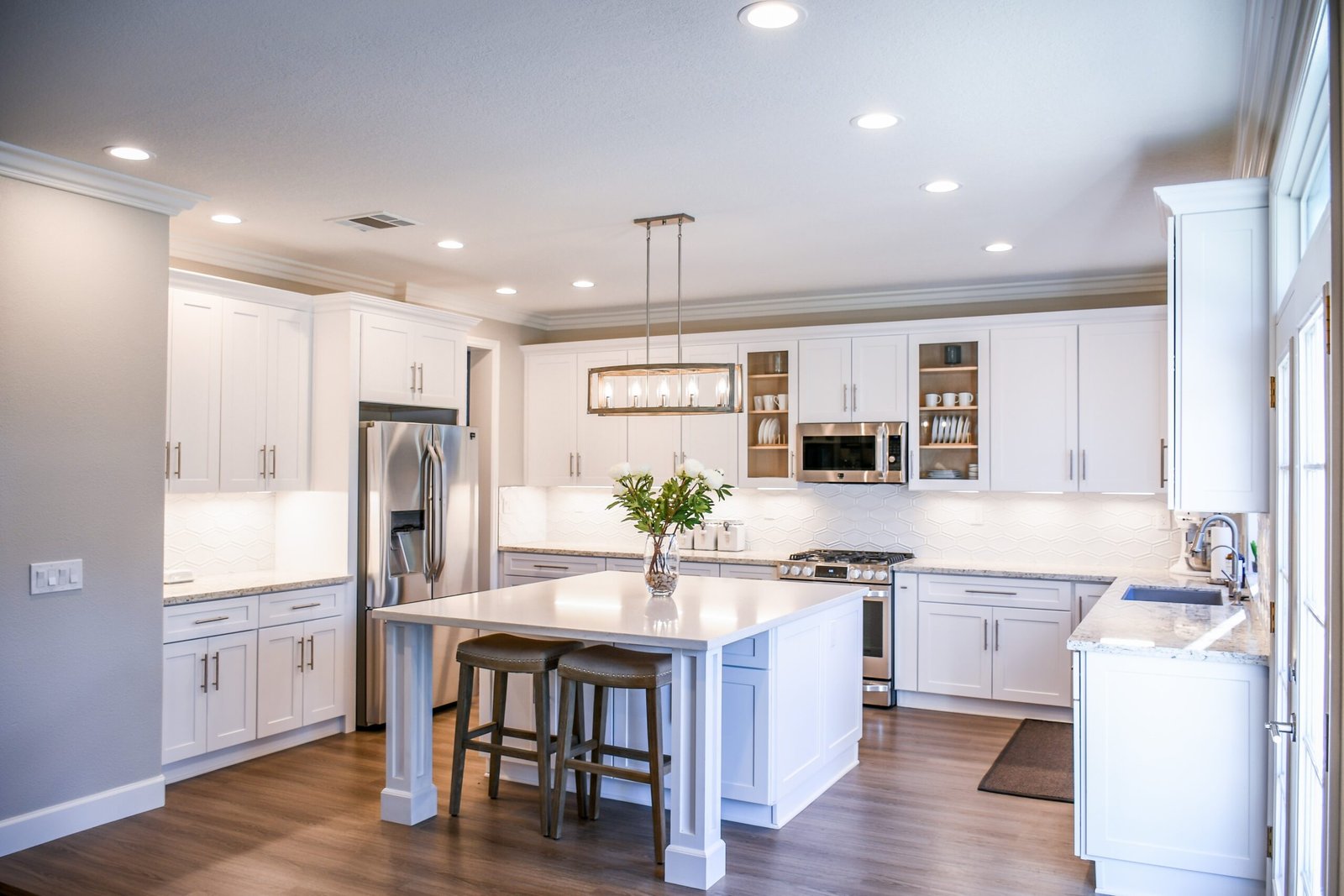
White shaker cabinets pair beautifully with gray or white quartz.
Warm wood cabinets go well with granite or butcher block.
Modern flat cabinets look great with matte quartz or solid surface.
Always bring samples of your cabinet finish and flooring when shopping for countertops to see how they look together under different lighting.
6. Conclusion: Finding the Perfect Balance
The best kitchen countertop is the one that fits your lifestyle, budget, and design goals.
If you want a surface that’s durable and low-maintenance, quartz is a top pick. For natural beauty and individuality, granite or quartzite are excellent choices. On a tight budget? Laminate or solid surface materials can still give you a great look without breaking the bank.
Whatever you choose, remember that your countertop isn’t just a work surface — it’s the centerpiece of your kitchen. Take your time comparing options, and you’ll end up with a countertop that’s both functional and beautiful for years to come.
Recent Posts
Talk to me
Have any questions? I am always open to talk about your kitchen projects or creative opportunities, and how I can help you.
Menu
Design Smarter. Remodel Better. Love Your Kitchen.